Caring For Smiles As They Grow
Pediatric Dentistry In Santa Ana
Helping Children Build Healthy Dental Habits
Children’s dental needs change as baby teeth emerge, permanent teeth develop, and daily routines become more independent. Regular visits help monitor these changes, identify concerns, and give families practical guidance on caring for growing smiles.
At World Smiles Dental, we take a patient, welcoming approach to children’s care. We discuss your child’s health history, comfort needs, and home-care habits before recommending treatment suited to their age and development.
Monitor Baby Teeth And Developing Permanent Teeth
Identify Cavities And Other Dental Concerns Early
Guide Families On Brushing And Healthy Eating Habits
Help Children Become Familiar With Dental Visits
What To Expect At Your Child’s Visit
Your child’s appointment begins with a conversation about their dental history and any concerns you have noticed. We examine their teeth, gums, and bite, with cleaning and X-rays recommended according to their needs. We explain each step in simple language to help them understand what is happening.
Before you leave, we review home care and discuss any recommended treatment. This may include preventive options such as dental sealants or care for existing decay. If tooth development or bite concerns need further assessment, we explain when an orthodontic evaluation may be helpful.
Explore Our Children’s Dental Treatments
From routine visits to care for specific concerns, explore options that support your child’s oral health. Our recommendations reflect their development, comfort, and individual needs.
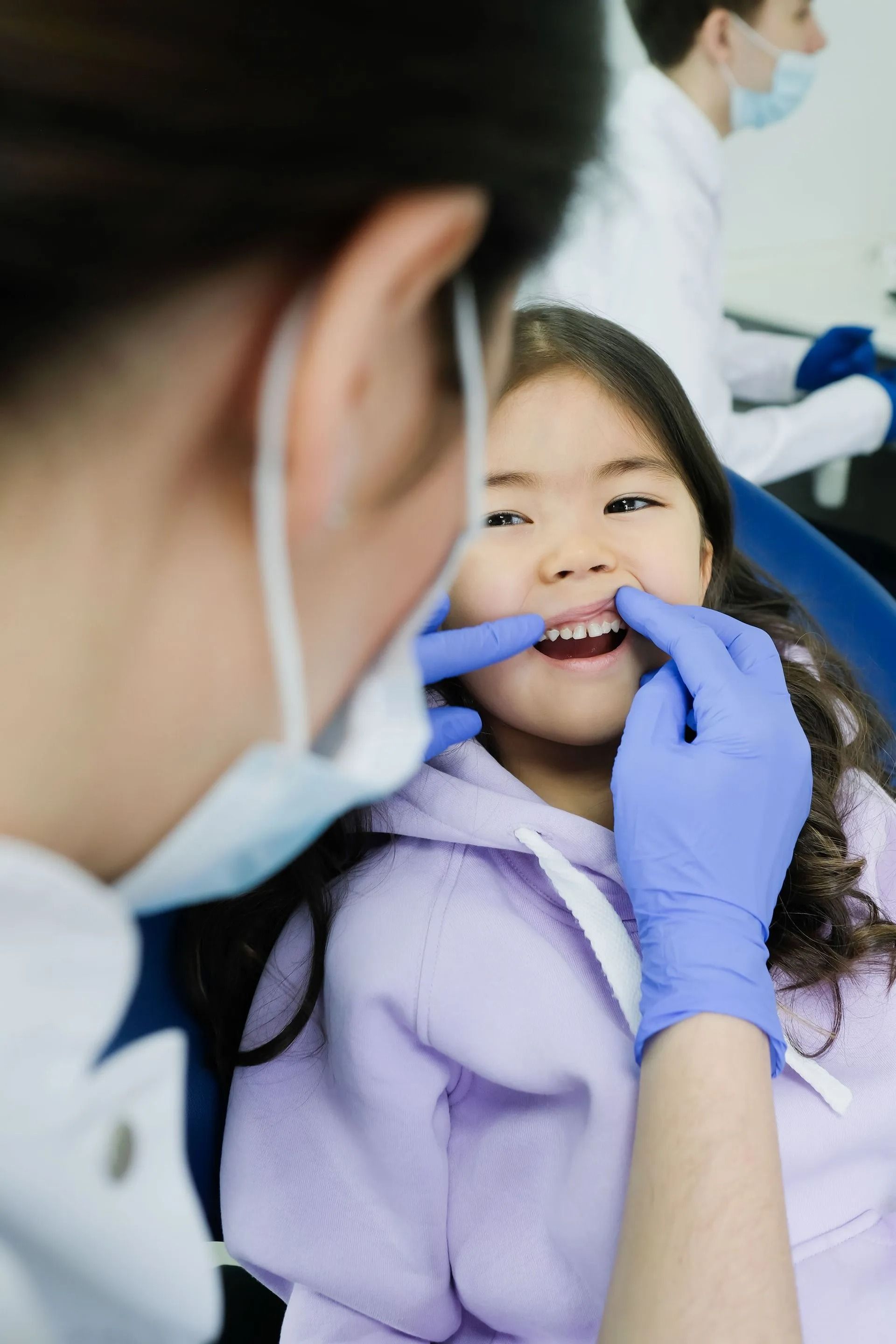
Checkup And Cleaning
Monitor growing teeth and remove buildup with age-appropriate dental care.
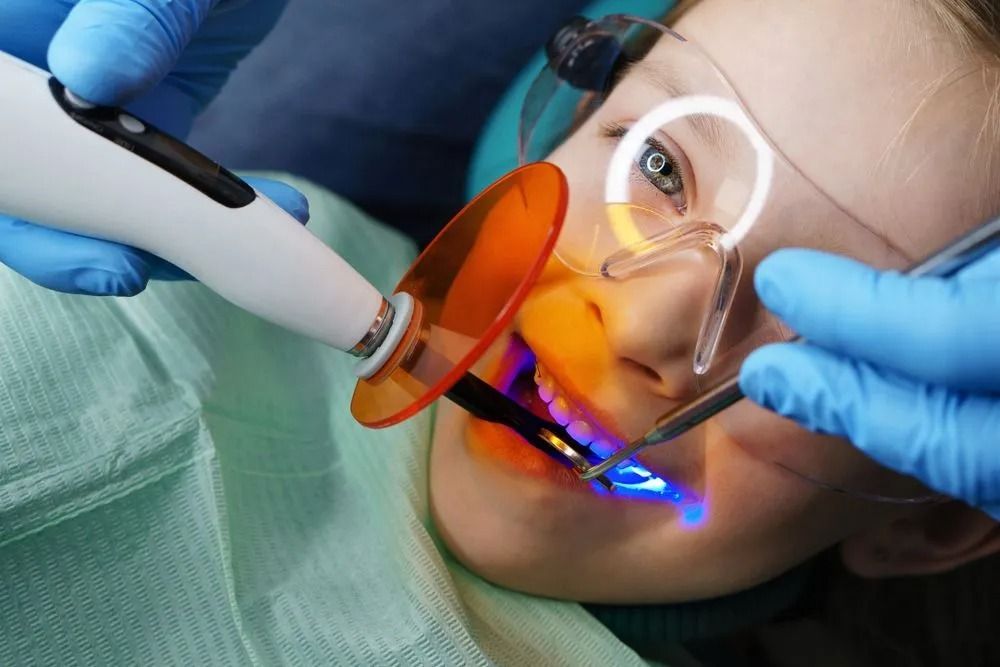
Dental Fillings
Repair childhood cavities and restore teeth for comfortable everyday chewing.
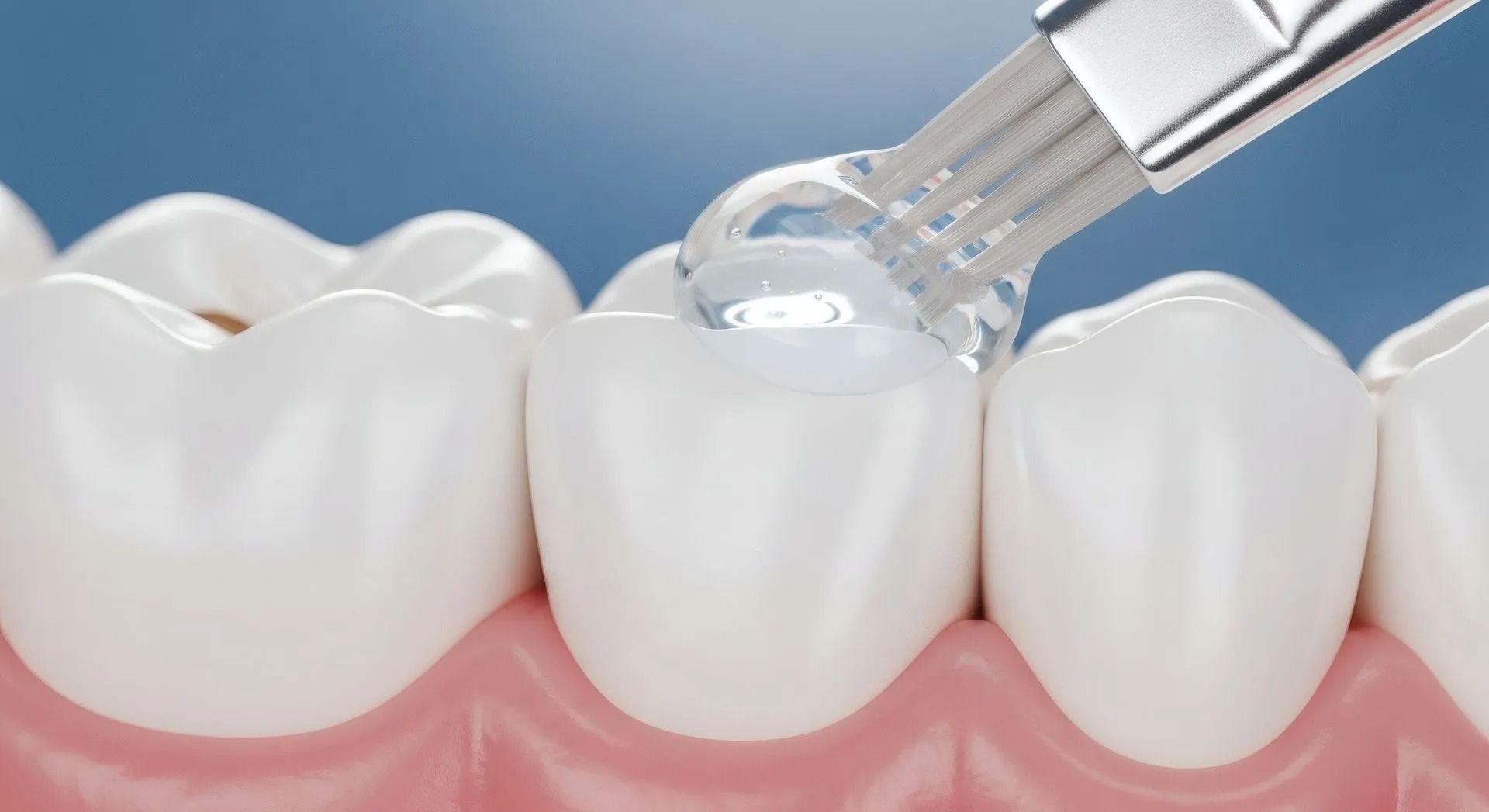
Dental Sealants
Protect back teeth’s grooves with a coating that helps prevent cavities.
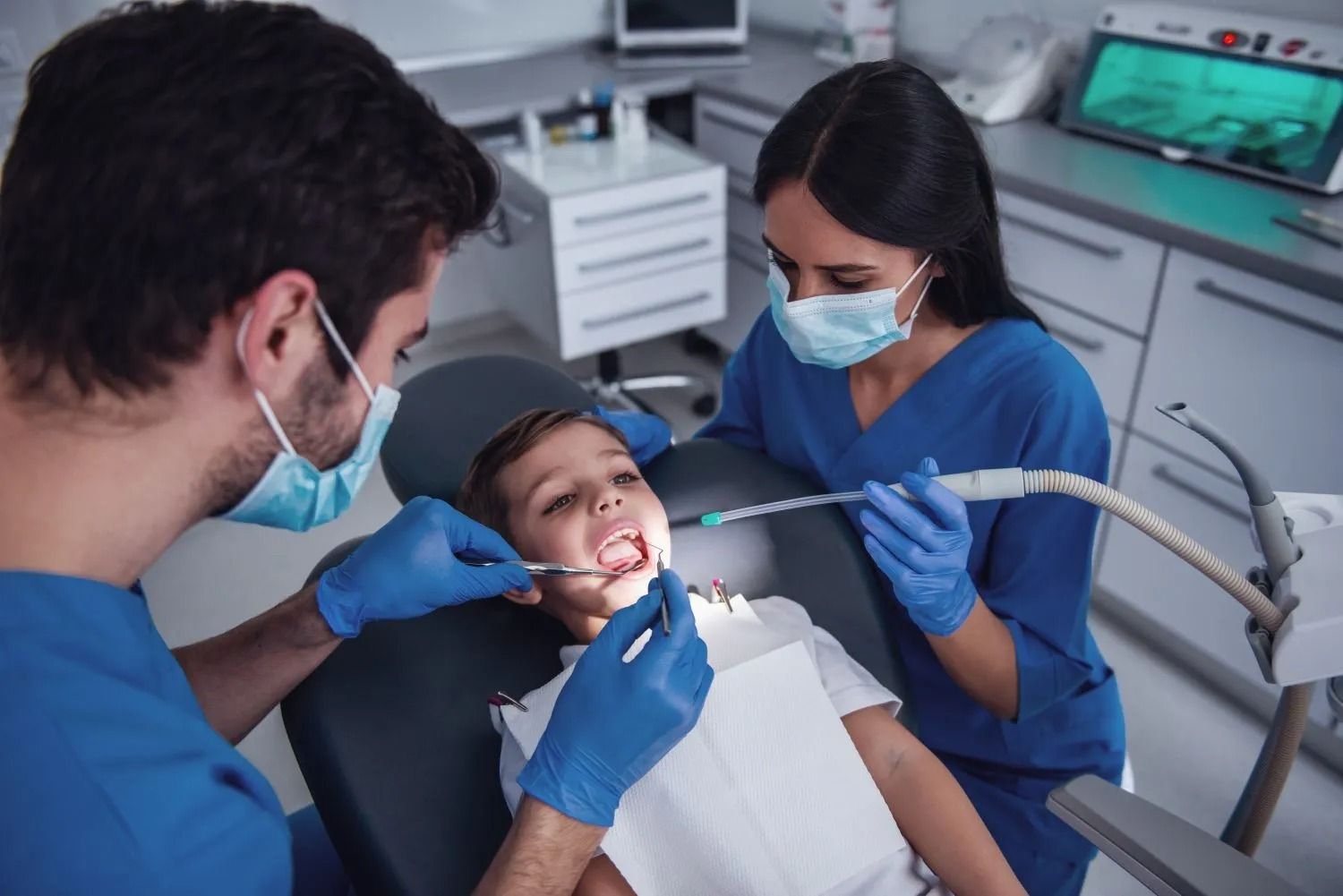
Dental Emergency
Seek timely assessment for tooth pain, dental injuries, and urgent concerns.

Special Needs Pediatric Care
Discuss care adapted to your child’s individual health and communication needs.
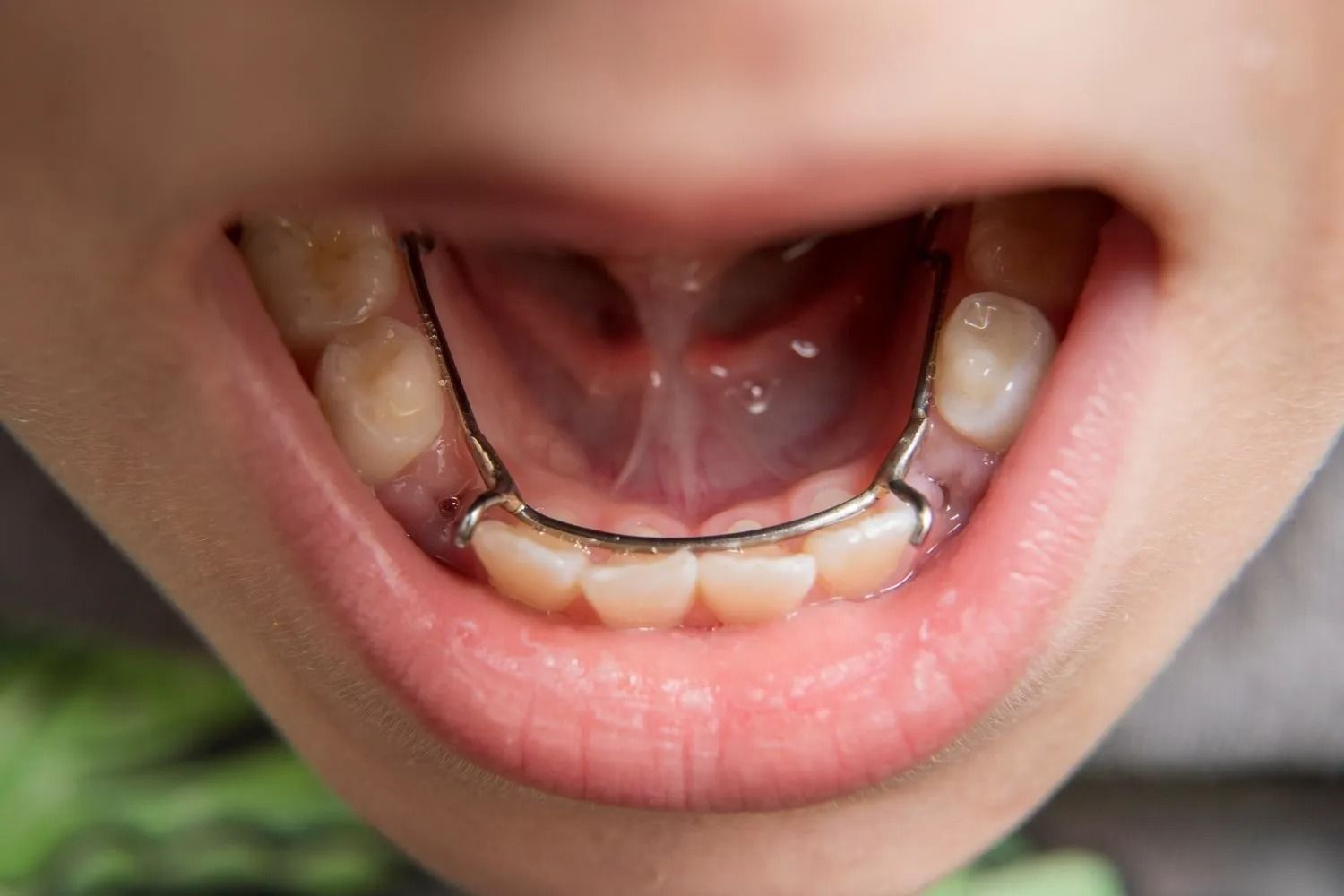
Space Maintainer
Help preserve proper dental space when a baby tooth is lost too early.
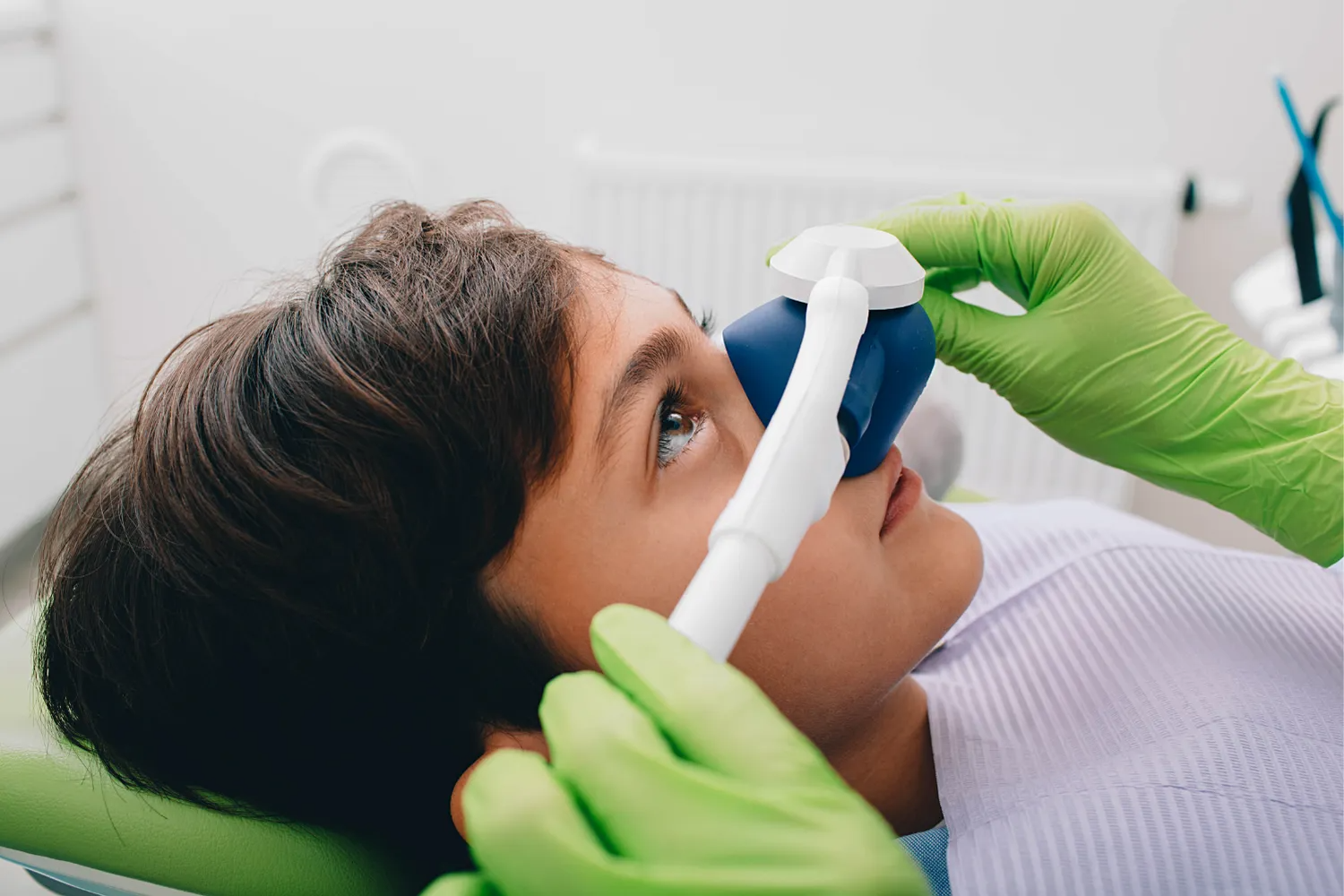
Dental Sedation
Explore appropriate sedation options based on your child’s health and treatment.
Frequently Asked Questions
Why are baby teeth important if they eventually fall out?
Primary teeth help children chew, speak, and maintain space for developing permanent teeth. Untreated decay can cause pain or infection and may affect eating, sleep, school, and overall well-being. Keeping primary teeth healthy until they are naturally ready to fall out supports normal dental development.
How often should children have dental checkups?
The appropriate recall schedule depends on the child's age, cavity risk, oral hygiene, growth, and existing dental needs. Many children are seen at regular preventive intervals, but some benefit from more frequent monitoring. Your dentist can recommend a schedule based on the child's individual oral-health risk.
What if my child is very anxious about dental treatment?
Tell the dental team before the appointment. Age-appropriate communication, gradual introduction to treatment, behavior guidance, and in selected cases dental sedation can help children receive necessary care. The approach should consider the child's age, anxiety level, medical history, developmental needs, and the procedure being planned.
What happens if a baby tooth is lost too early?
When a primary tooth is lost earlier than expected, nearby teeth can sometimes shift into the space needed for the developing permanent tooth. A space maintainer may be recommended in selected cases to help preserve that space until the permanent tooth is ready to erupt.
Are dental sealants useful for children?
Yes. Sealants are commonly considered for permanent molars with deep pits and grooves that can trap plaque and food. They create a protective barrier over vulnerable chewing surfaces. Whether a child needs sealants depends on tooth anatomy, eruption, cavity history, and overall caries risk.
Build Healthy Dental Habits Early
Schedule your child's next visit with World Smiles Dental in Santa Ana for preventive and age-appropriate dental care.