Clear Guidance Before Your Procedure
Oral Surgery In Santa Ana
Surgical Care Planned Around Your Oral Health
Some dental concerns require treatment beyond a filling or crown. Oral surgery may involve removing a tooth that cannot be restored, placing an implant, or treating gum and bone concerns that affect your teeth’s support.
At World Smiles Dental, we assess the affected area and explain why a procedure may be recommended. We discuss suitable alternatives, potential risks, and recovery needs so you understand your options before moving forward.
Assess Teeth That May Need Surgical Removal
Evaluate Gum And Bone Support Before Treatment
Discuss Your Health History And Comfort Needs
Plan Recovery And Follow-Up Around Your Procedure
Preparing For Treatment And Recovery
Your consultation includes an examination, appropriate imaging, and a review of your medications and medical history. We explain the planned procedure and anesthesia, along with whether dental sedation may be appropriate. Preparation instructions depend on your treatment, so follow the guidance provided rather than changing medications or fasting on your own.
After treatment, we provide instructions for eating, cleaning, activity, and managing discomfort. Follow-up visits allow us to check healing and discuss further care, including dental implants or other restorations when teeth need replacing.
Explore Our Surgical And Reconstructive Treatments
Learn about procedures that address damaged teeth, missing teeth, and supporting tissues. Full mouth reconstruction may combine surgical and restorative care according to your needs.
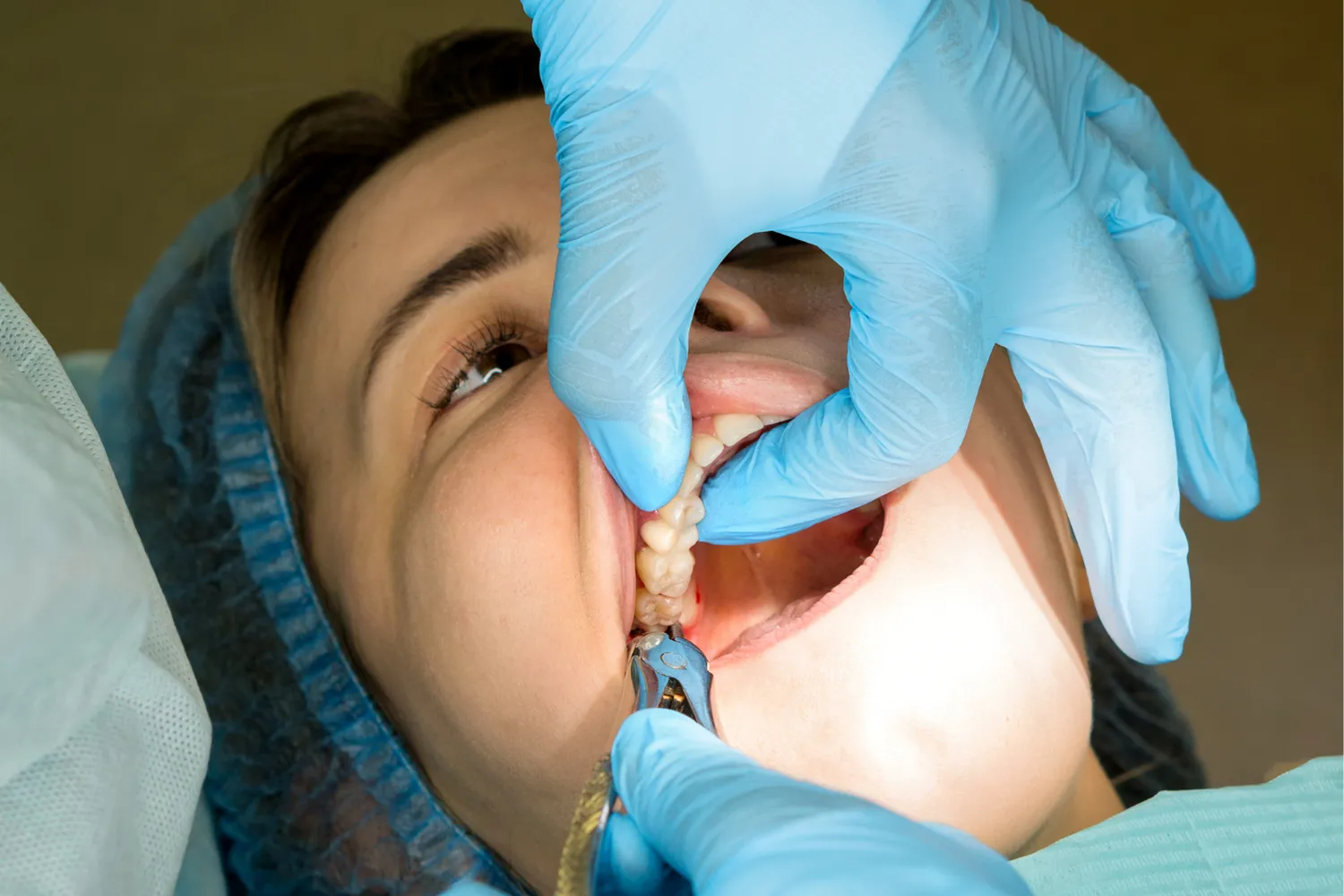
Tooth Extractions
Remove teeth that cannot be preserved or require removal for treatment.
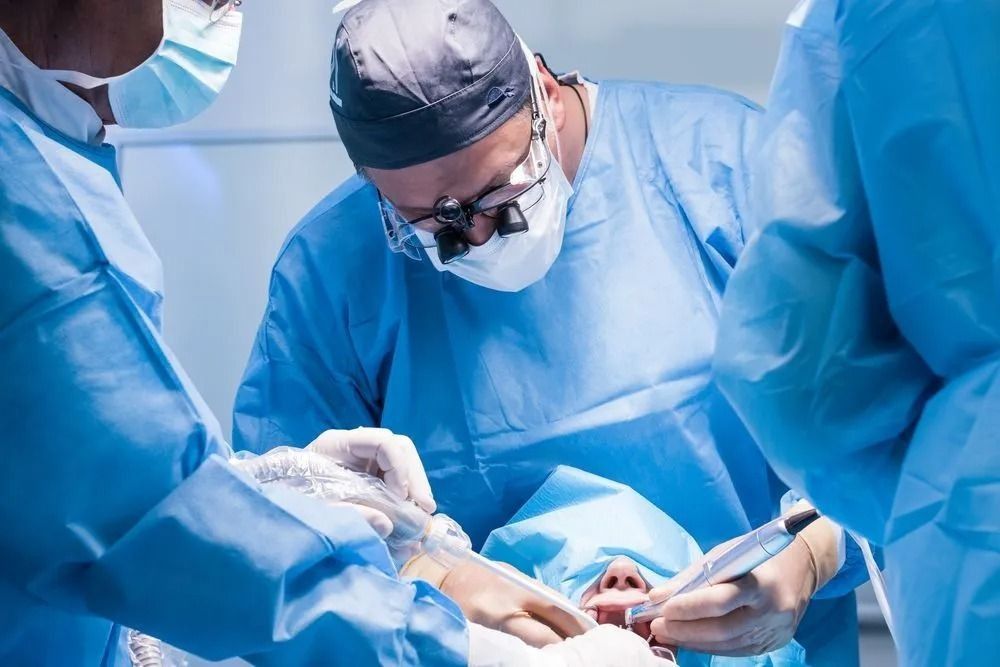
Dental Implant Surgery
Place implants in the jawbone to support replacement teeth after healing.
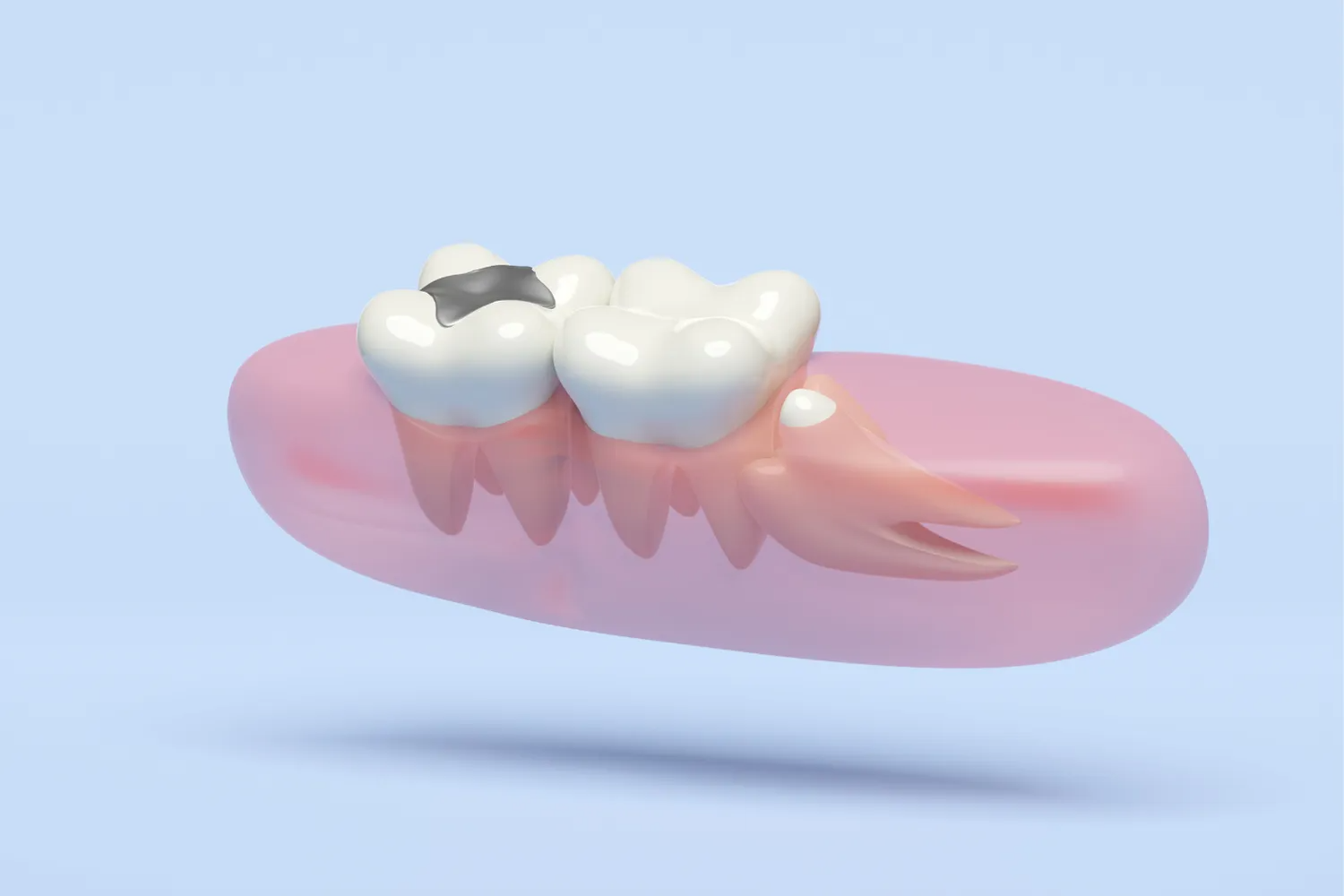
Wisdom Teeth Removal
Assess and remove wisdom teeth when their position or condition requires it.
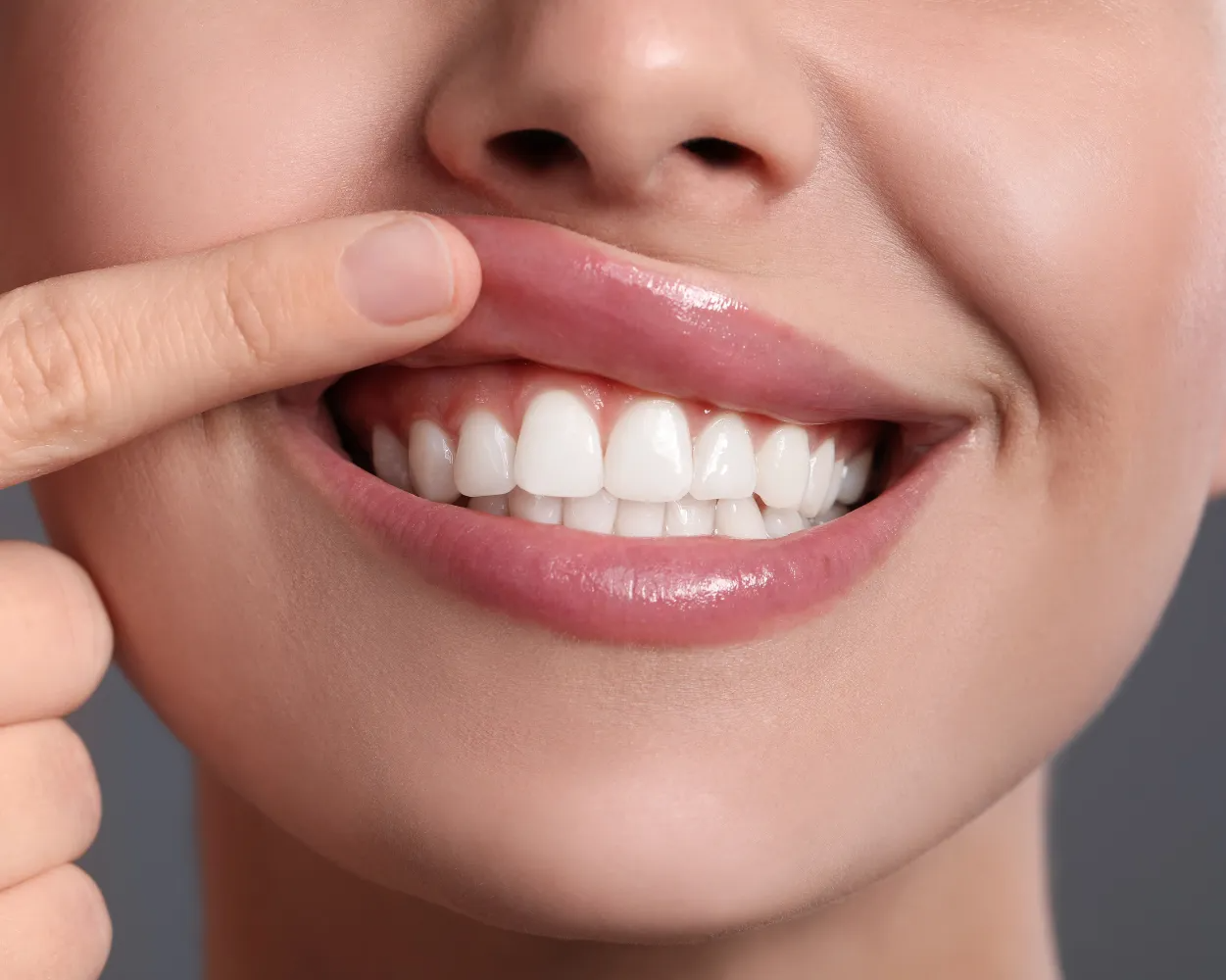
Crown Lengthening
Reshape gum and sometimes bone to expose more tooth structure.
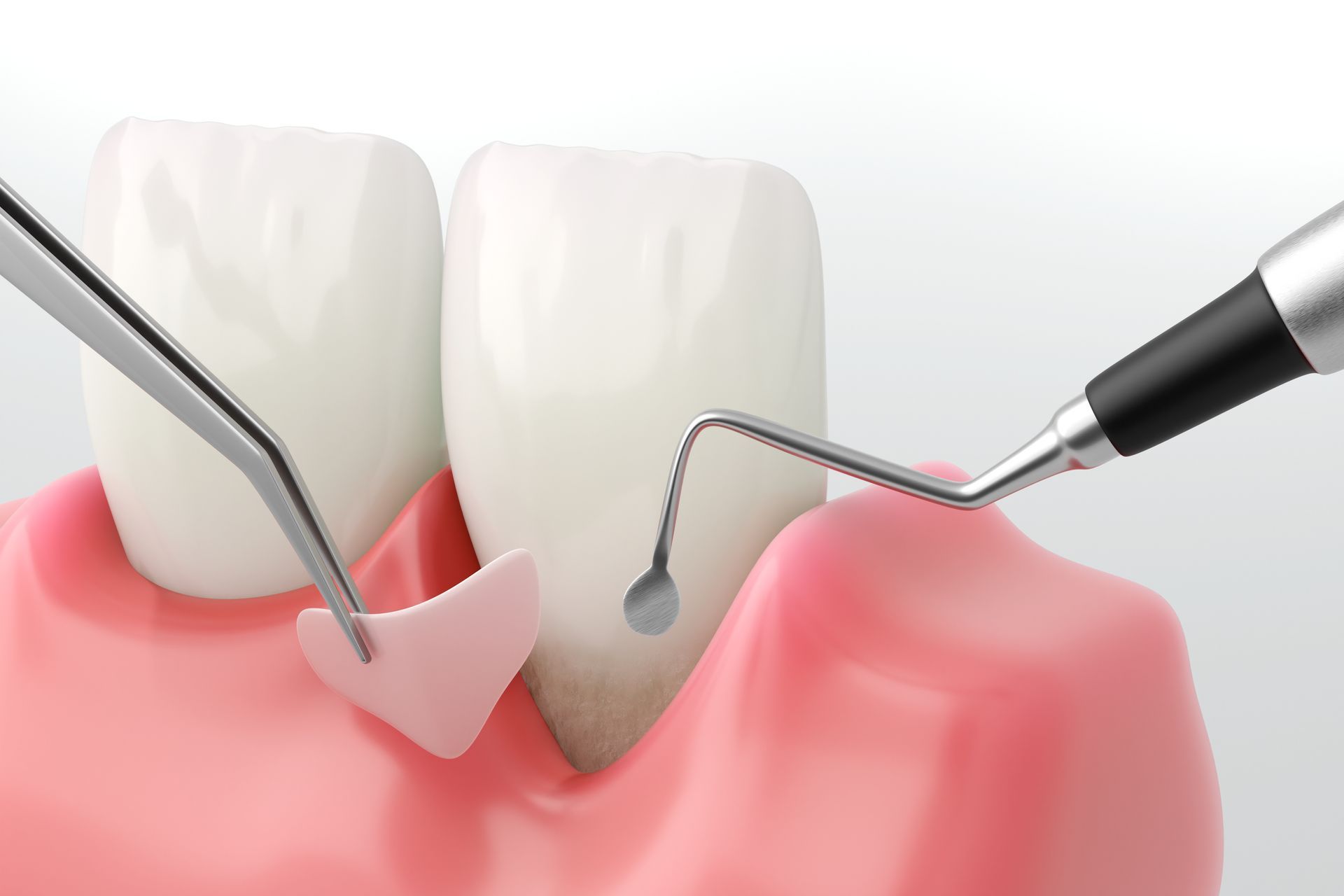
Gum Grafts
Add gum tissue to cover exposed roots or reinforce thin areas.
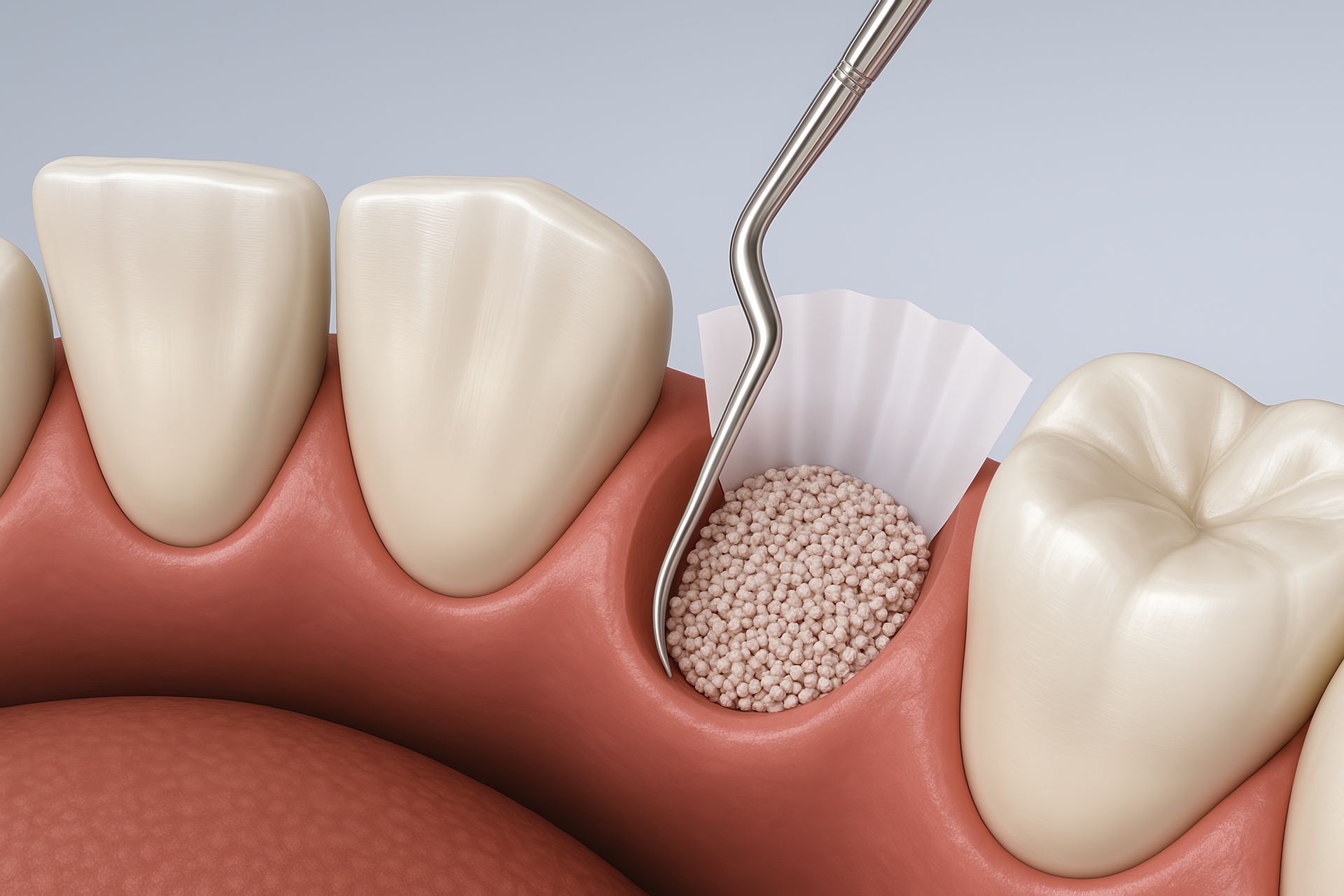
Bone Grafts
Rebuild bone in selected areas to support planned dental treatment.

Full Mouth Reconstruction
Coordinate multiple treatments to restore damaged teeth, bite, and oral function.
Frequently Asked Questions
Why might a tooth need to be surgically removed?
Extraction may be recommended when a tooth is severely decayed, fractured, infected, impacted, or cannot be predictably restored. Wisdom teeth may also require removal because of disease or problems with eruption. The dentist evaluates whether the tooth can be saved before recommending extraction.
Will I need sedation for oral surgery?
Not every surgical procedure requires sedation. Local anesthesia is commonly used to numb the treatment area, while sedation may be considered according to procedure complexity, anxiety, medical history, and patient needs. The dental team will explain the available approach, preparation instructions, and whether transportation is required.
How long does recovery from oral surgery take?
Recovery varies substantially by procedure. A simple extraction generally has a different recovery than wisdom tooth surgery, bone grafting, implant placement, or full-mouth treatment. Swelling and discomfort often change over the first several days, but complete tissue or bone healing can take considerably longer.
Why would I need a bone graft?
Bone grafting may be recommended to preserve or rebuild bone after tooth loss, prepare a site for a dental implant, or support another restorative plan. The need depends on the amount and location of available bone, anatomy, and the procedure being planned.
When is referral to an oral surgeon appropriate?
Referral may be recommended for complex impactions, difficult extractions, significant pathology, advanced grafting, medically complex patients, or other cases that would benefit from specialist training and surgical resources. The dentist can explain whether treatment can be completed within the practice or should be referred.
Understand Your Options Before Oral Surgery
Contact World Smiles Dental in Santa Ana to discuss your concern or recommended procedure. We’ll help you understand the treatment plan, preparation, and follow-up care.